COMPLEX CORRECTIVE REPAIRS
Complex & corrective wind turbine blade repairs
A considered approach to difficult damage.
Technical support for recurring wind turbine blade defects, failed repairs and complex corrective work.
Discuss this serviceResolve the scope before the repair
Recurring defects and previous repair failures need technical review before further work begins. Share the inspection findings, blade details and repair history so the team can assess the next step and establish the required scope.
SERVICE SCOPE
AERODYNAMIC UPGRADES · FIELD NOTE
Small components. Precise installation.
A field look at wind turbine blade vortex generators: placement, alignment, surface preparation, bonding and verification.
Read the full field note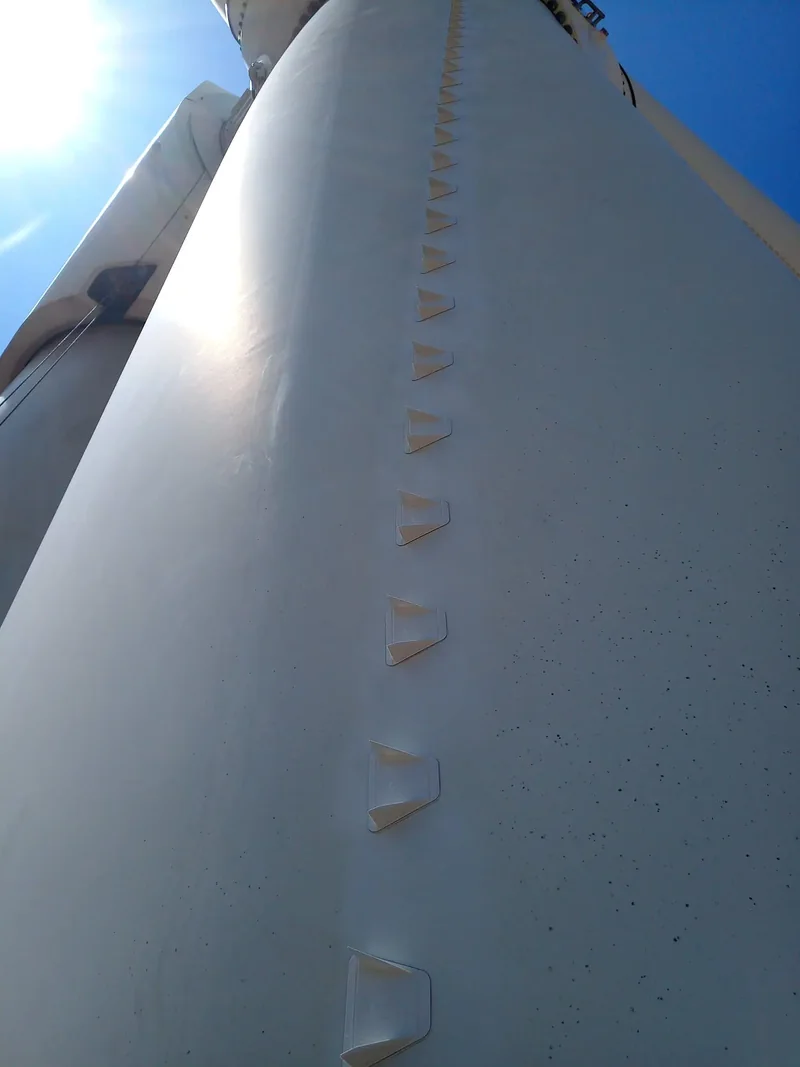
Help us assess your project.
Include the site location, turbine and blade model, inspection findings or photographs, and your preferred work window. Scope and mobilisation are confirmed after technical review.
projects@dvinblade.comPlanning your project
Can DvinBlade assess a recurring blade defect?
Yes. Share inspection findings, blade details and repair history for technical review. Recurring damage and previous repair failures are assessed before the next scope is established.
Can you confirm a complex repair from photographs alone?
Photographs support the initial review, but the repair scope is confirmed only after the available technical information has been assessed. Additional inspection may be needed to establish the condition and work limits.
How does corrective work connect to other blade services?
The agreed scope may involve structural composite repair, internal laminate or bonding rail work, or surface restoration. Inspection evidence and repair history guide the next step.
START WITH THE SCOPE
A blade defect.
A clear next step.
Send your site location, blade details and inspection findings. We review the technical scope before confirming the work and mobilisation.
Request a technical review